Wildfire emitted particulate matter induces ovarian hyperandrogenism through aryl hydrocarbon receptor activation

Wildfire emitted particulate matter induces ovarian hyperandrogenism through aryl hydrocarbon receptor activation
Mali, K.; Zhang, D.; Bazina, L.; Abramova, E.; Zhang, J.; Zhan, T.; Pattarawat, P.; Moularas, K.; Zhang, Q.; Gaskins, A. J.; Gow, A.; Demokritou, P.; Xiao, S.
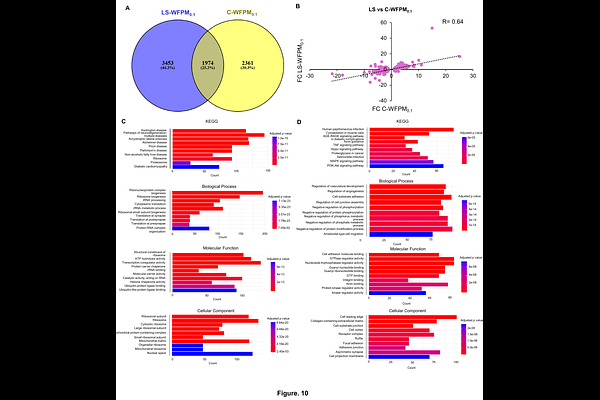
AbstractWildfires have become more frequent and intense worldwide. Wildfire emitted particulate matter (WFPM) can be more toxic than urban background PM due to its greater content of nanoscale size (WFPM0.1) and presence of more polar organic compounds including polycyclic aromatic hydrocarbons (PAHs). While exposure to WFPM has been linked to cardiovascular and respiratory diseases, its impact on female reproduction remains elusive. Here, we used an in vivo mouse intratracheal exposure model and a 3D ovarian follicle culture system, together with molecular, transcriptomic, and computational approaches, to examine the female reproductive effects of lab-synthesized (LS-WFPM0.1) and real-world Canadian WFPM0.1 (C-WFPM0.1, collected from the New York City and New Jersey metropolitan area during the June 2023 wildfire events). Intratracheal exposure to environmentally relevant dose of LS-WFPM0.1 disrupted mouse estrous cycles and elevated serum concentrations of estradiol and testosterone. RT-qPCR and single-follicle RNA-sequencing (RNA-seq) analysis revealed altered steroidogenic genes, transcriptomic changes, and activation of aryl hydrocarbon receptor (AhR) in antral follicles from mice treated with LS-WFPM0.1. LS-WFPM0.1 consistently increased testosterone secretion and stimulated genes related to androgen synthesis and AhR in vitro. Single-follicle and single-oocyte RNA-seq analysis identified differentially expressed genes related to inflammation in somatic cells and mitochondrial respiratory chain in oocytes. Both C-WFPM0.1 and benzo[a]pyrene, a high molecule weight PAH, reproduced these ovarian defects. Mechanistically, inhibition of AhR reversed hyperandrogenism induced by WFPM0.1. Together, our findings suggest that WFPM0.1, an increasingly pervasive environmental exposure, adversely impacts female reproductive functions by disrupting ovarian steroidogenesis and induces hyperandrogenism through AhR activation highlighting an urgent unmet need for further mechanistic studies and epidemiological investigations to define the reproductive risks of wildfire smoke exposure in human populations.