Tumor-Intrinsic IL-17 Signaling Correlates with Multimodal Resistance Phenotypes Following Oncolytic Adenovirus Challenge

Tumor-Intrinsic IL-17 Signaling Correlates with Multimodal Resistance Phenotypes Following Oncolytic Adenovirus Challenge
Saad, E.; Hammad, M.
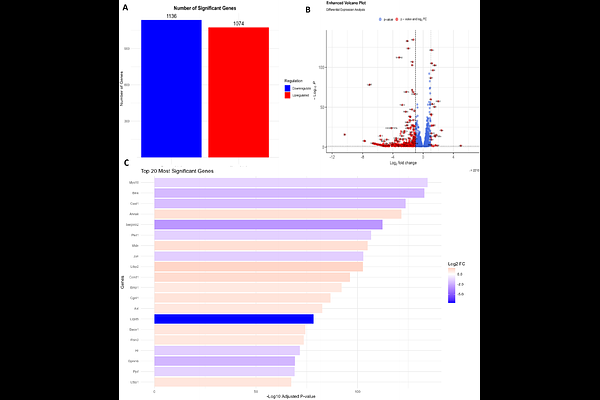
AbstractOncolytic adenovirus (ADV) therapy faces heterogeneous responses, implying tumor-intrinsic resistance. We identify interleukin-17 (IL-17) signaling as a novel potential barrier associated with multi-modal cellular reprogramming. Transcriptomic analysis of ADV-treated 4T1 murine mammary carcinoma cells revealed specific upregulation of Il17rb, Il17rd, and Il17f, indicating viral induction of this inflammatory axis. The IL-17 signature correlates strongly with a cancer stemness phenotype. Metabolically, it associates with increased lipid metabolism and suppressed glycolysis, suggesting a state resistant to viral replication. Furthermore, it broadly negatively correlates with programmed cell death pathways (apoptosis, necrosis) while positively associating with pro-survival autophagy. IL-17 component expression effectively stratifies samples into distinct metastatic risk categories, underscoring its prognostic potential. Our findings reveal a previously unrecognized, tumor-intrinsic role for IL-17 signaling in ADV resistance, associated with enhanced stemness, altered metabolism, and impaired cell death. This nominates the IL-17 pathway as both a predictive biomarker and a therapeutic target for combination strategies.