Inhibition of mucin-type O-glycosylation impairs melanogenesis, melanoma growth, and metastatic capacity

Inhibition of mucin-type O-glycosylation impairs melanogenesis, melanoma growth, and metastatic capacity
Jain, T.; Rajasekharan, A.; Gorai, S. K.; Nagarajan, P.; Singha, S.; Sampathkumar, S.-G.
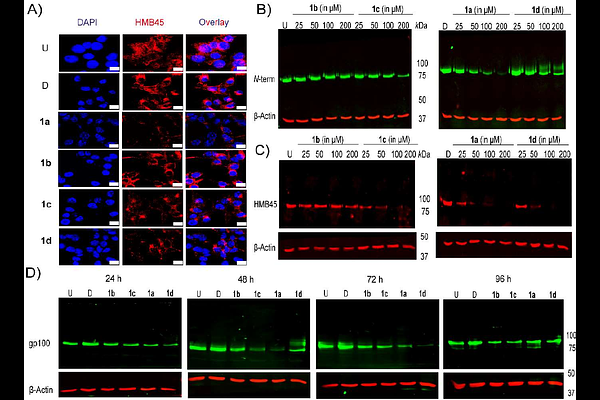
AbstractTumor-associated glycans are critical regulators of immune evasion in melanoma. Despite the success of immune checkpoint blockade, resistance and relapse remain a challenge, highlighting the need to therapeutically target additional immunosuppressive axes. One such axis involves Siglec-sialoglycan interactions that facilitate tumor immune evasion. The melanoma-associated antigen Pmel17/gp100 is a melanosomal glycoprotein overexpressed in tumor cells and essential for melanosomal architecture. Pmel17/gp100 forms amyloid fibrils within melanosomes, and its extensive O-glycosylation contributes to melanin biosynthesis and melanoma progression. We show that pharmacological inhibition of O-glycosylation using peracetyl N-thioglycolyl-D-galactosamine (Ac5GalNTGc, 1a) decreases Pmel17/gp100 glycosylation and melanin synthesis in B16F10 melanoma cells, induces tumor surface hyposialylation, diminishes Siglec-E engagement, and disrupts the Siglec-sialoglycan immune checkpoint. In C57BL/6J mice, 1a significantly delayed tumor growth, prolonged survival, and reduced lung metastases relative to controls. These findings identify O-glycosylation as a dual-mode therapeutic vulnerability, linking melanosome dysfunction to attenuation of Siglec-mediated immune evasion in melanoma.