Camera trapping and passive acoustic monitoring as non-invasive techniques for the study of small mammals

Camera trapping and passive acoustic monitoring as non-invasive techniques for the study of small mammals
Stiff, L. M.; Wakefield, A.; Rands, S. A.
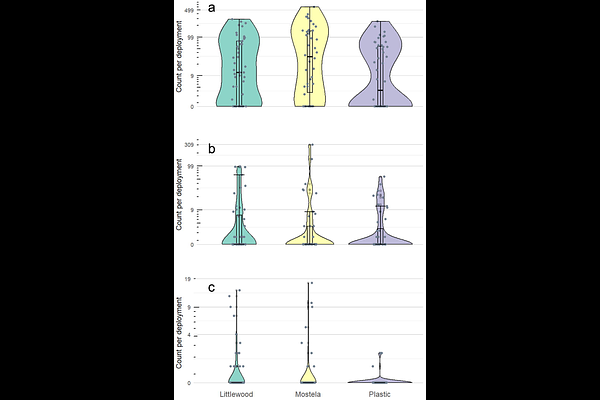
AbstractTerrestrial small mammals are of significant importance worldwide in providing valuable ecosystem services and acting as invasive species, pests, and carriers of disease. Many species are under threat from anthropogenic stressors and non-invasive techniques are required to sustain long-term and large-scale monitoring of these animals. This research compares the application of camera trapping and passive acoustic monitoring for the study of terrestrial small mammals. We conducted a field study aiming to evaluate three camera trapping tunnel designs (Modified Littlewood, Mostela and a new design utilising readily available components), and compare the performance of passive acoustic monitoring to camera trapping for terrestrial small mammal surveying. The Modified Littlewood tunnel produced a higher number of shrew detections compared to the plastic tunnel. The Mostela tunnel produced the highest quality data by facilitating species identification and reducing non-target triggers. Passive acoustic monitoring and camera trapping detected different species, but there was no difference in species richness between the methods. Voles were better detected by camera trapping than passive acoustic monitoring. We consider the success of current machine learning classification for processing our acoustic data, and suggest that future developments in machine learning classification will likely speed up processing of both visual and acoustic data, and perhaps allow more detailed and accurate identification to species and individual level.