A new set of DNA methylation variants in the human genome show predominant tissue specificity and sensitivity to reprogramming with a potential for disease susceptibility.

A new set of DNA methylation variants in the human genome show predominant tissue specificity and sensitivity to reprogramming with a potential for disease susceptibility.
Anne, A.; Kumar, L.; Singh, M.; Choudhury, S.; Das, S.; Zimmer-Bensch, G.; Bandyopadhyay, D.; K, N. M.
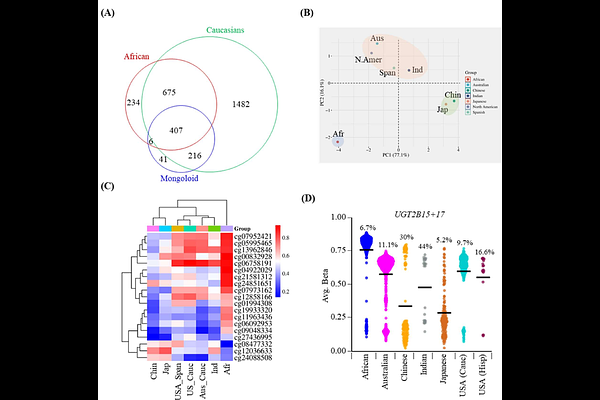
AbstractAnalyses of 3,370 normal human tissues of ectodermal, endodermal and mesodermal origins identified 12,587 regions averaging ~585 bp with significant differences in DNA methylation levels within identical tissues. These methylation variants (MeVars) occurred in 8,037 genes enriched in neurological disorders and cancers of which, majority were tissue-specific rather than being systemic. This somatic variation was reduced by reprogramming in vitro into iPSCs and in vivo during spermatogenesis. Analysis of prefrontal cortices showed a higher incidence of MeVars in the candidate genes in controls than schizophrenia patients wherein a subset showed significantly altered transcript levels. Similar effects were observed for oral tissues and skin fibroblast cells. MeVars showed significant association with SINE1, simple and low complexity repeats, H3K27me3, H3k9me3 and H3K4me1 modifications and EZH2, SUZ12 and REST binding sites. Collectively, MeVars have postzygotic origins with an ability to reset during reprogramming, adding a new dimension in the form of epigenetic diversity and its relevance to disease susceptibility in humans.