A decline in skeletal muscle NOX4 abrogates adaptive homeostasis and exacerbates ageing

A decline in skeletal muscle NOX4 abrogates adaptive homeostasis and exacerbates ageing
Xirouchaki, C.; Coughlan, C.; Garcia Dominguez, E.; Giri, S.; McGrath, J. M.; Wiede, F.; Sadoshima, J.; Roman, W.; Gomez-Cabrera, M.; Philp, A.; Moberg, M.; Apro, W.; Mitchell, C. A.; Tiganis, T.
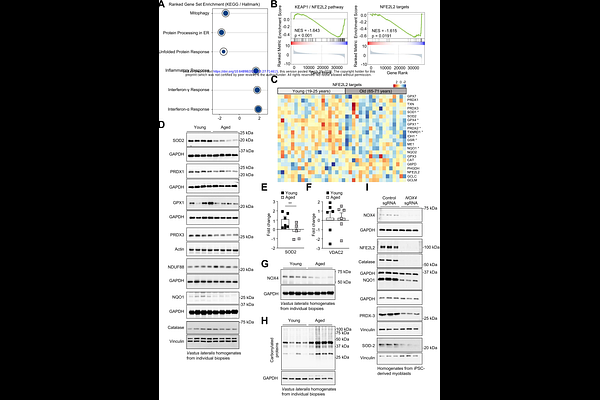
AbstractA decline in NFE2L2-orchestrated adaptive homeostasis and oxidative distress are thought to be key features of ageing. In contracting skeletal muscle, the ROS-producing enzyme NADPH oxidase 4 (NOX4) is a potent inducer of NFE2L2 adaptive homeostasis. Here we report that skeletal muscle NOX4 levels decline in aged mice and humans, resulting in abrogated NFE2L2 adaptive homeostasis, increased protein oxidative damage and decreased muscle function. We show that deleting NOX4 in skeletal muscle exacerbates the physiological decline associated with ageing, resulting in overt sarcopenia and frailty, characterised by physical inactivity, increased adiposity, systemic inflammation, whole-body insulin resistance and advanced liver disease in aged chow-fed mice. The systems-wide physiological decline in aged skeletal muscle NOX4-deficient mice could be corrected by activating NFE2L2 with sulforaphane and reinstating adaptive homeostatic responses otherwise induced by exercise. Our findings provide important insights into the basis for the decline in NFE2L2-orchestrated adaptive homeostasis with age and identify key mechanisms by which exercise may promote healthy ageing.