Encapsulation in a bacterial microcompartment shell improves thermal stability of a glycolytic enzyme

Encapsulation in a bacterial microcompartment shell improves thermal stability of a glycolytic enzyme
Tefft, N. M.; Yadav, N. S.; Cross, M. C. G.; Swiggett, C. D.; Parent, K. N.; Vermaas, J. V.; TerAvest, M. A.
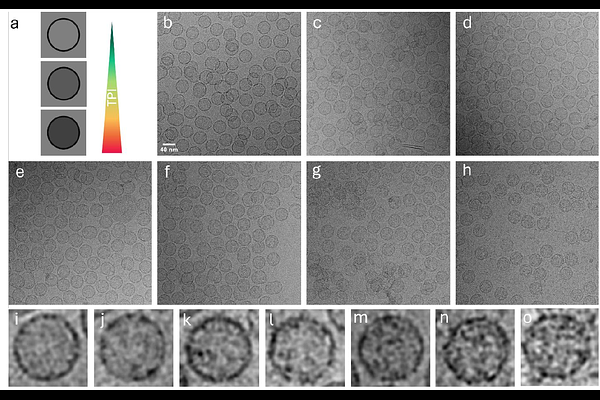
AbstractSelective encapsulation of target enzymes is an increasingly well studied field with a host of potential applications for biotechnology. Natively, many bacteria utilize bacterial microcompartments (BMCs) for enzyme encapsulation to enhance catalysis. BMCs are protein shells that enable selective localization of targeted metabolic enzymes and may improve catalytic rates by co-localizing pathway enzymes and/or serve to sequester toxic or volatile intermediates. The microcompartment shell of Haliangium ochraceum (HO) is a notable BMC chassis because of its modularity and versatility; it is easily expressed and assembled outside its native host and can accept a wide array of cargo. Recently, it was demonstrated that assembly of HO BMC shells can be easily achieved in vitro. Following up on our previous work on in vivo assembly of HO-BMCs with triose phosphate isomerase (TPI) as model enzyme cargo, here we have demonstrated the advantages of in vitro assembly (IVA) for targeted enzyme encapsulation. We achieved variable loading of BMC shells with targeted amounts of TPI and demonstrated enhanced thermal stability of encapsulated TPI versus free TPI up to 62{degrees}C.