Genomic quantification of inbreeding depression in wild vertebrate populations

Genomic quantification of inbreeding depression in wild vertebrate populations
Lee, K. G. L.; Parkes, H.; Wilkins, S.; Hipperson, H. H.; Burke, T.
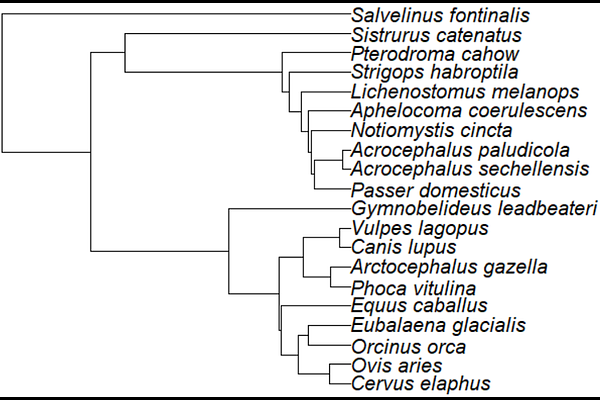
AbstractInbreeding depression is a potential driver of extinction risk in fragmented populations, yet its magnitude in the wild has historically been estimated using sparse pedigrees or low-resolution molecular markers. The transition to genomic metrics of inbreeding offers unprecedented precision in quantifying realised homozygosity and its fitness costs. We conducted a systematic review and multi-level meta-analysis of 91 effect sizes from 20 wild vertebrate populations to provide a global benchmark for genomic inbreeding depression. Our results confirm a pervasive and significant negative relationship between fitness and genomic inbreeding. Males exhibited significantly stronger inbreeding depression than females. Fitness costs were consistent across life stages (developmental, adult and lifetime) and across types of fitness traits (survival vs. reproduction). We found no significant association between the magnitude of inbreeding depression and IUCN conservation status or historical isolation (discretely measured as 'isolated' or 'non-isolated'). As we enter a genomics era that will provide realised estimates of inbreeding, future studies can be added to this meta-analysis to provide a more comprehensive view of inbreeding depression and potentially identify patterns pertinent to evolutionary biology and conservation science.