Inborn cardiorespiratory fitness and exercise training modulate brown adipose tissue function and plasticity in early life

Inborn cardiorespiratory fitness and exercise training modulate brown adipose tissue function and plasticity in early life
Kingren, M. S.; Sadler, D. G.; Barre, M. C.; Treas, L. D.; Sikes, J. D.; Britton, S. L.; Koch, L.; Borsheim, E.; Porter, C.
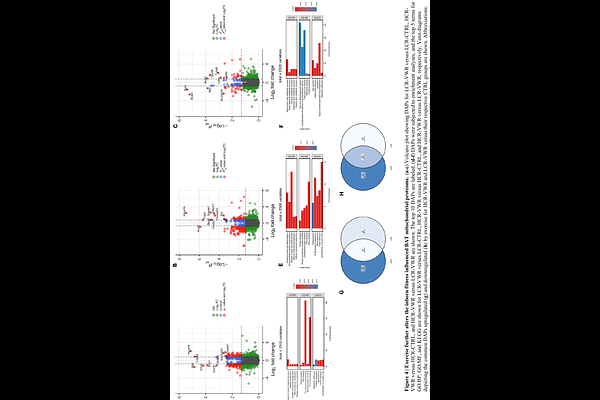
AbstractThis study aimed to determine the impact of inborn metabolic fitness and early life exercise training on whole body and brown adipose tissue (BAT) energetics. We carried out comprehensive metabolic phenotyping on 4-week old rats bred for high (high-capacity runner, HCR) and low (low-capacity runner, LCR) running capacity following randomization to voluntary wheel running (VWR) or control (CRTL) for 6-weeks. High-resolution respirometry and untargeted proteomics were then employed to determine the impact of inborn fitness and early life exercise on BAT function. When accounting for differences in body mass, early life exercise (VWR) resulted in greater basal and total energy expenditure, irrespective of strain (P < 0.0001 for both). Both leak and uncoupling protein 1 (UCP1) dependent respiratory capacities in isolated BAT mitochondria were greater in rats randomized to VWR compared to CTRL in both HCR (P < 0.01) and LCR (P < 0.05) strains. Similarly, mitochondrial sensitivity to the UCP1 inhibitor GDP was greater in both HCR (P < 0.01) and LCR (P < 0.05) rats randomized to VWR versus control. The BAT proteome differed in CTRL HCR and LCR rats, were there was enrichment in proteins related to branched chain oxidation and mitochondrial fatty acid oxidation in HCR rats. VWR remodeled the BAT proteome, where 151 proteins were differentially expressed in LCR BAT and 209 differentially expressed in LCR BAT following VWR. In both stains, there was an enrichment in proteins related to metabolism mitochondrial function in response to VWR. However, when comparing strains, 39 proteins were differentially expressed in BAT in HCR rats compared to LCR rats in response to VWR. These proteins were related to carboxylic acid and amino acid metabolism. Collectively, inborn fitness impacts body mass and composition, exercise behaviors, and the BAT proteome in early life. Early life exercise alters whole body and BAT energetics irrespective of inborn fitness, augmenting basal and total energy expenditure and BAT thermogenic capacity and function.