Endotoxemia and TLR4 via tissue resident macrophages triggers anemia in mouse model of colitis

Endotoxemia and TLR4 via tissue resident macrophages triggers anemia in mouse model of colitis
Bisht, K.; Shatunova, S.; Barbier, V.; Husseinzoda, A.; Wang, R.; Zhong, R.; Giri, R.; Amiss, A.; Alexander, K. A.; Millard, S. M.; Winkler, I. G.; Ann, Y.-K.; Begun, J.; Levesque, J.-P.
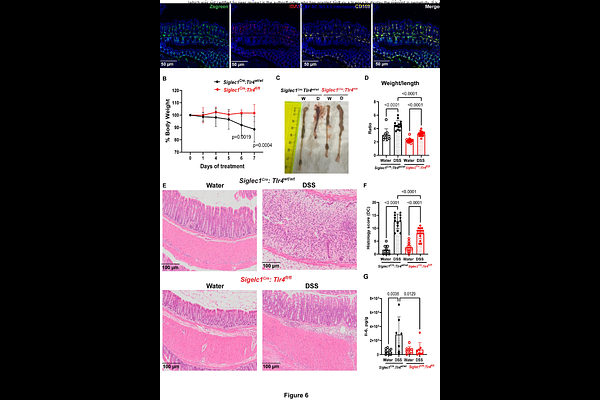
AbstractAnemia is one of the most debilitating and frequent complications of inflammatory bowel diseases (IBD) and is often treated with iron supplementation, which has limited efficacy. Damaged intestinal barrier function is a hallmark of IBD and causes the translocation of endotoxins from gut bacteria into the bloodstream. In a previous study in mice, we reported that endotoxin suppresses erythropoiesis by reprogramming erythroblastic island macrophages (EBI M{varphi}). Here, we show that IBD patients and mice with acute colitis developed endotoxemia associated with anemia. Endotoxemia in IBD patients was negatively correlated with blood erythrocyte counts. In line with this, mice with acute colitis caused by drinking water containing dextrin sodium sulphate (DSS) had endotoxemia together with anemia characterized by reduced red blood cell counts, hemoglobin content and hematocrit., and reduced medullary erythropoiesis which was in part compensated by increased extramedullary erythropoiesis. As the endotoxin receptor TLR4 is expressed by CD169+ gut-resident macrophages and erythroid island macrophages in the bone marrow, we tested the hypothesis that TLR4 expressed by these CD169+ macrophages mediate both inflammatory colitis and anemia. Indeed, mice with conditional deletion of the Tlr4 gene specifically in CD169+ tissue-resident macrophages were protected from DSS-induced anemia and colitis. In addition, treatment of DSS mice with the TLR4 inhibitor C34 abated inflammation and anemia. These results suggest that endotoxins leaking from the inflamed gut may play a crucial role in IBD and associated anemia and that drugs targeting TLR4 may protect against IBD-associated anemia.