Animal model of leprous neuritis using transfer of sensitized lymphocytes into M. leprae-inoculated nude mice

Animal model of leprous neuritis using transfer of sensitized lymphocytes into M. leprae-inoculated nude mice
EN, J.; Matsuoka, M.; Suzuki, K.; Goto, M.
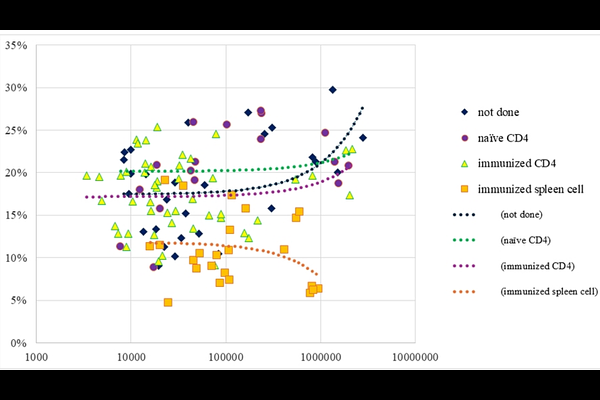
AbstractBackground Leprosy is curable with multidrug therapy, but preventing peripheral neuropathy remains challenging. In leprosy, reversal reactions (Type 1 reactions) are characterized by sudden enhanced cell-mediated immunity against Mycobacterium leprae (M. leprae), leading to acute neuritis that may cause irreversible nerve damage, paralysis, sensory impairment, and muscle atrophy. Armadillo and nude mouse models are used to study M. leprae infection, but detailed neuropathological models for immune-mediated reactions in leprosy are lacking. This study aimed to establish a reproducible animal model to analyze leprous neuritis pathogenesis. Methodology/Principal Findings BALB/c nude mice were inoculated with M. leprae and six months later received transfers of naive CD4+ cells, sensitized CD4+ cells, or sensitized whole spleen cells from BALB/c mice. Histological and quantitative analyses were performed four weeks post-transfer. Mice that received transfer of sensitized CD4+ cells or sensitized spleen cells exhibited footpad swelling up to 88% greater than in animals with no cell transfer. Mice that received the sensitized cells also had massive inflammatory cell infiltration into nerve fascicles. Quantitative imaging confirmed a significant reduction in the percentage of myelinated area in mice that received transfer of sensitized CD4+ (p < 0.05) or whole spleen cells (p < 0.01) compared to control mice with no transfer. Furthermore, bacterial fragmentation within the endoneurium coincided with myelinated axon destruction, indicating that the immune response targeted bacilli but simultaneously damaged nerve structures. Conclusions/Significance This study successfully reproduced leprous peripheral neuritis that resembles the reversal reaction in humans. The findings indicate that CD4+ cells are primary drivers of inflammation, whereas interactions between multiple immune cell populations in whole spleen cell transfers further exacerbate disease pathology. This model confirms that host immune responses are crucial for nerve injury progression. This model provides a valuable tool for investigating neuroprotective therapies to prevent permanent disability in patients with leprosy.