Multilevel engineering of cyanobacterial energy metabolism advances photosynthetic hydrogen production while revealing its constraints

Multilevel engineering of cyanobacterial energy metabolism advances photosynthetic hydrogen production while revealing its constraints
Itzenhäuser, M. A.; Grimm, S.; Ruprecht, L.; Wiedener, J.; Brandenburg, F.; Stauder, R.; Wallace, P. W.; Krömer, J. O.; Schmid, A.; Klähn, S.
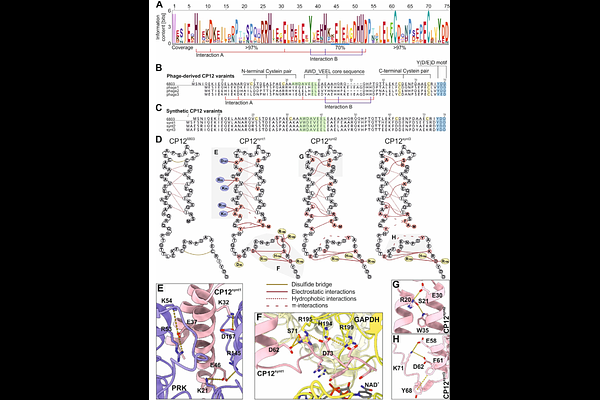
AbstractHydrogen (H2) is a promising sustainable energy carrier, and its direct production from photosynthetic water splitting is appealing. Yet long-term photosynthetic hydrogen production by cyanobacteria remains inefficient despite decades of engineering. Here, we systematically dissect the hierarchical and state-dependent constraint architecture governing sustained H2 evolution in Synechocystis sp. PCC 6803. We show that hydrogenase overexpression relieves the primary enzymatic limitation, exposing ATP/NADPH balancing and competing electron sinks as successive metabolic constraints. Inspired by cyanophage strategies, we engineered synthetic CP12-based regulatory proteins that redirect photosynthetic electrons from CO2 fixation toward H2 production. Combining these interventions increases H2 production by over two orders of magnitude relative to the previous benchmark system, demonstrating that sustained H2 production requires coordinated management of metabolism and regulation rather than elimination of a single bottleneck. However, overcoming these constraints also promotes metabolic adaptations and genetic instability, illustrating the trade-off between maximal H2 production and long-term metabolic stability.