Early ingestive experience with a high-fat diet tunes satiation and nutrient-specific appetitive behaviors

Early ingestive experience with a high-fat diet tunes satiation and nutrient-specific appetitive behaviors
McCoy, M.; Roman-Ortiz, C.; Perez, J.; Schier, L. A.; Kamitakahara, A. K.
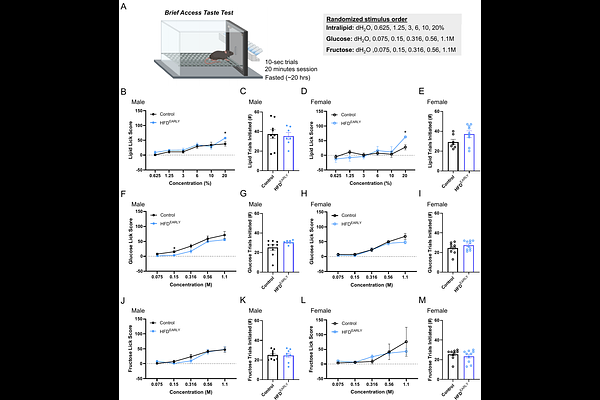
AbstractOverconsumption of foods rich in fats, sugars, and calories is a major contributing factor to increased risk for cardiometabolic disease. Ingestive experience with these foods can begin early in children, yet there is limited understanding of the impact of early life nutrition on the development of vagal afferent neurons necessary for coordinating appetitive and satiating behaviors. To this end, mice reared on a chow diet (control) were compared to those reared on a high-fat diet (HFDEARLY). We demonstrate that the vagally-mediated satiation response to cholecystokinin (CCK) does not mature until adolescence in chow-reared mice. However, HFDEARLY exposure triggers a precocious maturation of this response, accompanied by transcriptomic changes in the nodose ganglion. Durable changes in appetitive behaviors were also evident in adult HFDEARLY mice, which consumed more lipid than control mice. Behavioral analyses point to alterations in orosensory integration and enhanced appetition in adult HFDEARLY mice, establishing nutrient exposure as a significant contributor to vagal circuit maturation and function.