Evidence of residual Brugia malayi infection in TAS-III cleared areas of coastal Odisha: Findings from Molecular Xenomonitoring

Evidence of residual Brugia malayi infection in TAS-III cleared areas of coastal Odisha: Findings from Molecular Xenomonitoring
Sanyal, K.; Pradhan, B.; Das, A.; Bera, D.; Pradhan, A.; Ghorai, U.; Mohanty, S.; Somalkar, N. M.; Bal, M.; Srivastava, P. K.; Baruah, K.; Pati, S.
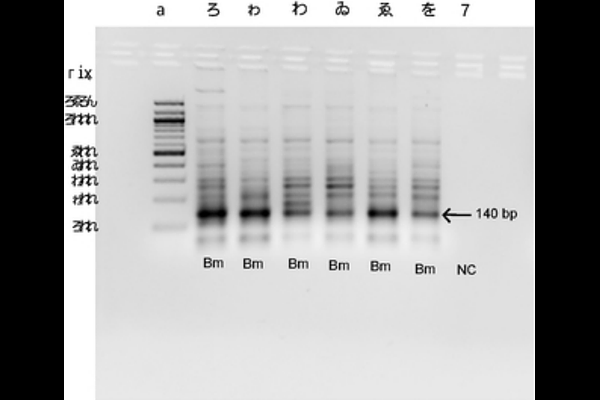
AbstractBackground: Lymphatic filariasis (LF), caused by Wuchereria (W) bancrofti, Brugia malayi and Brugia (B) timori, remains a major public health problem known for its disfiguring and debilitating effects despite notable progress under the Global Program to Eliminate Lymphatic Filariasis (GPELF). Following recent national directives (2024) restructuring implementation units (IUs) to the block level, all TAS-cleared blocks now require re-evaluation using night blood surveys (NBS) or filarial test strip (FTS) kits. Molecular Xenomonitoring (MX) is recommended as a post-validation surveillance method for detecting active LF transmission in vectors. Therefore, an exploratory study was conducted in two coastal districts of Odisha, namely Jagatsinghpur and Puri, which cleared TAS-III, to investigate the presence of B. malayi and W. bancrofti infections in filaria-transmitting vectors. Methodology/Principal Findings: Adult female mosquitoes were collected from three villages across Jagatsinghpur and Puri districts during March-April 2025. Species were identified morphologically, segregated and pooled. The pooled samples were screened for the presence of filarial DNA using species-specific PCR assays. Of 1,518 collected adult female mosquitoes, 22.6% were Culex quinquefasciatus, 18.3% were Mansonia (Mn) annulifera, and 4.3% were Mansonia uniformis. Among 33 pools screened, six pools were positive for B. malayi DNA (18.18% pool positivity; infection rate 2.88%, 95% CI: 1.23-5.74), in Mn. annulifera, whereas W. bancrofti was not detected. Conclusions/Significance: The study provides the first molecular confirmation of B. malayi infection in Mn. annulifera, indicating a persistent Brugian transmission in Odisha even after the implementation of mass drug administration. The Study highlights MX as a sensitive, non-invasive surveillance tool for detecting residual infection in post-MDA and post-TAS settings. The study underscores the need for a standardized MX protocol and integration with entomological monitoring to sustain national LF elimination targets by 2027.