Viral persistence and antiretroviral therapy shape systemic immune aging in treated HIV infection

Viral persistence and antiretroviral therapy shape systemic immune aging in treated HIV infection
Zhang, Y.; Matzaraki, V.; Navas, A.; Vadaq, N.; Blaauw, M.; Vos, W.; Groenendijk, A.; Eekeren, L. v.; Stalenhoef, J. E.; Riza, A.-L.; Streata, I.; Kumar, V.; Boahen, C. K.; Berrevoets, M. A. H.; Rokx, C.; Delporte, M.; Joosten, L. A.; Xu, C.-J.; Li, Y.; Vandekerckhove, L.; Ven, A. v. d.; Netea, M. G.
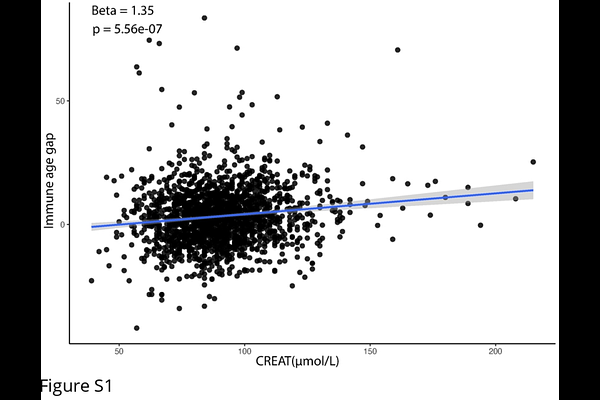
AbstractChronic infections can reshape immune system homeostasis, yet how persistent viral infections influence immune aging remains poorly understood. People living with HIV provide a unique model to investigate how long-term viral persistence affects immune aging despite effective antiretroviral therapy. Here, we characterize immune aging by integrating plasma proteomics with epigenetic and transcriptional profiles of circulating immune cells across large cohorts of treated individuals with HIV. We find that immune aging is markedly accelerated compared with healthy individuals and parallels established DNA methylation-based aging clocks. Accelerated immune aging is strongly associated with signatures of immunosenescence and correlates with the size of the latent HIV reservoir, suggesting a persistent imprint of viral persistence on immune aging trajectories. Notably, exposure to specific antiretroviral agents, particularly nucleoside reverse transcriptase inhibitors, is associated with reduced immune aging and suppression of age-associated immune gene programs. Together, these findings identify chronic viral persistence as a driver of systemic immune aging and indicate that antiretroviral therapy can partially modulate immune aging programs.