Constitutive macropinocytosis sustains the inflammatory phenotype of senescent cells

Constitutive macropinocytosis sustains the inflammatory phenotype of senescent cells
Kozik, K.; Razali, N.; Kono, K.
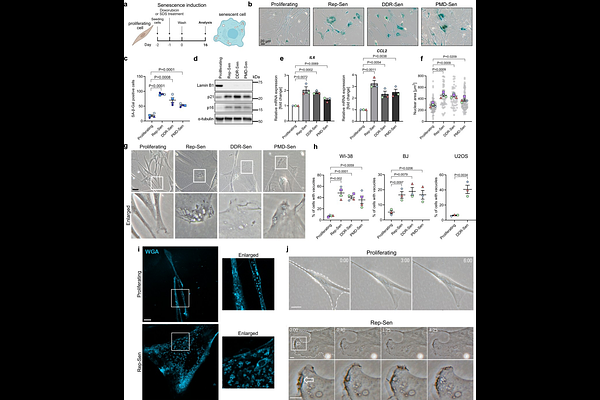
AbstractCellular senescence is a stable cell cycle arrest characterized by extensive metabolic remodeling and a proinflammatory secretome known as senescence-associated secretory phenotype (SASP). While transient SASP supports tissue repair and wound healing, its persistent activation drives chronic inflammation and age-related pathology. Despite the complex regulation of SASP, the contribution of vesicle trafficking and endocytic pathways to its control remains poorly defined. Here, we identify macropinocytosis as a constitutively active endocytic pathway in multiple cell lines and senescence subtypes. Using pharmacological and genetic perturbations, we demonstrate that PAK1 is a key regulator of macropinocytosis in senescent cells. Moreover, PAK1-dependent macropinocytosis regulates production of inflammatory SASP factors, such as IL6 and CCL2, through TGF{beta} signaling. Our findings define senescence-associated macropinocytosis as a mechanistic link between endocytosis and the proinflammatory phenotype of senescent cells, establishing PAK1 and macropinocytosis as potential therapeutic targets for alleviating the deleterious effects of senescence in aging and cancer.