Biocompatible Membrane Vesicles from Lactobacillus acidophilus MTCC 10307 Exhibit Potent Anti-Inflammatory Activity

Biocompatible Membrane Vesicles from Lactobacillus acidophilus MTCC 10307 Exhibit Potent Anti-Inflammatory Activity
Mahendrarajan, V.; Easwaran, N.
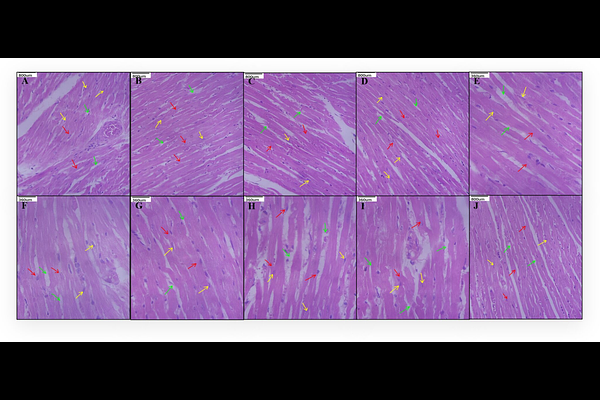
AbstractInflammation is a fundamental immune response but, when dysregulated, contributes to the pathogenesis of numerous inflammatory disorders. Although there are several conventional anti-inflammatory drugs which are effective, their long term use is always accompanying with worser side effects, which highlights the need for safer alternative therapeutic drugs. Probiotic derived membrane vesicles (MVs) have recently emerged as biologically active nanostructures capable of modulating host immune responses. In the present study, MVs isolated from Lactobacillus acidophilus MTCC 10307 were evaluated for their anti-inflammatory efficacy and safety profile using in vitro and in vivo models. In RAW 264.7 macrophages, L. acidophilus MVs significantly attenuated lipopolysaccharide induced expression of the pro-inflammatory mediators Il-1{beta}, Il-6, and iNOS, accompanied by reduced nitric oxide and reactive oxygen species production which was revered in the proteinase K treated MVs. The protein levels of NF{kappa}B and IL1{beta} were also reduced in the treatment groups. Repeated dose oral toxicity studies revealed no adverse effects, as evidenced by body weight and histopathological evaluation of major organs. The anti-inflammatory properties of L. acidophilus MVs were further validated in a in vivo hind paw edema model, which shows inflammation resolution demonstrated by molecular and histological analysis. Proteomic analysis using LC-MS/MS identified the presence of surface-layer protein A (SlpA) which is a potential bioactive component which might contribute to the observed immunomodulatory effects. Collectively, these findings demonstrate that L. acidophilus MVs exert potent anti-inflammatory activity while maintaining an excellent safety profile using integrated in vitro and in vivo models.