Safety Transparency in Animal Cell-Cultured Ingredients for Pet Food: A Case Study Establishing the Standard for Public Disclosure

Safety Transparency in Animal Cell-Cultured Ingredients for Pet Food: A Case Study Establishing the Standard for Public Disclosure
Tewari, R.; Soukup, R.; Hadjistylianou, L.; Manicone, M.; Serra, M.; Felbermair, M.; Falconer, S.
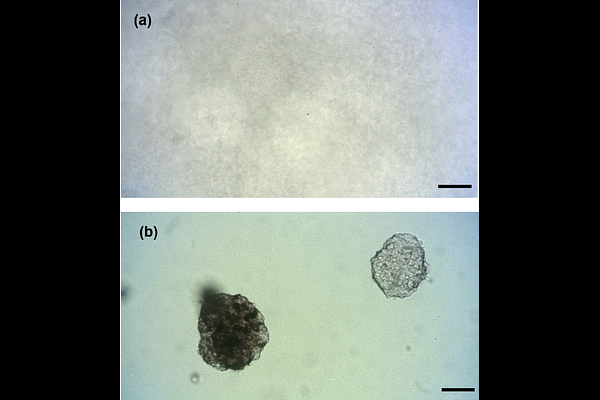
AbstractAnimal cell-cultured ingredients are entering the EU and UK pet food markets under frameworks that do not require pre-market, ingredient-level safety assessments, creating an ethical need for transparent safety disclosure. We present the first public safety dossier for this sector, describing the proprietary mouse embryonic stem cell line PE25 and its derived, non-viable cellular and conditioned media ingredient produced in food and feed-grade media. PE25 characterization confirmed Mus musculus identity, sterility, absence of mycoplasma and replication-competent retroviruses, and stable growth. Doxorubicin-induced p53 stress testing, CD44/BMI1 profiling, and soft agar assays showed no cancer-like traits and a non-tumorigenic profile; the final ingredient contains no viable cells. Independent OECD TG 471 and 487 assays confirmed non-genotoxicity. Heavy metals, biogenic amines, solvents, and chemical residues were below regulatory limits. Given process variability, we recommend case-by-case safety evaluation and propose this dossier as a model for responsible commercialization.