Vampire bats target their social grooming to hard-to-reach body parts

Vampire bats target their social grooming to hard-to-reach body parts
Chen, C.; Nguyen, T. I.; Meyer, M.; Hashem, E.; Carter, G. G.
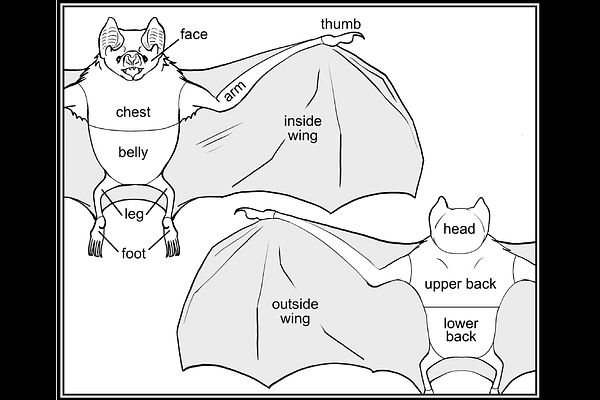
AbstractMany group-living mammals and birds groom the fur (or preen the feathers) of their close associates, and this social grooming (or social preening) seems to build and maintain affiliative relationships. Female common vampire bats (Desmodus rotundus) lick each other in ways that appear to be responsive to cues of need, which suggests that this social grooming could be a low-cost form of helping in addition to being a social signal. If social grooming is a form of helping, then vampire bats should preferentially groom others in locations that are difficult to self-groom. We show that social grooming (n = 1515 events) did indeed occur most often on parts of the recipient's body where self-grooming (n = 1586 events) was least likely, often in locations where the recipient could not lick itself, like the back of the head. The finding that vampire bats preferentially groom each other in hard-to-reach locations provides further support for the hypothesis that social grooming is a low-cost form of help in vampire bats.