Target-Specific Discovery of BMM_1567 Restores Aminoglycoside Activity Against Multidrug-Resistant Gram-Negative ESKAPE Pathogens

Target-Specific Discovery of BMM_1567 Restores Aminoglycoside Activity Against Multidrug-Resistant Gram-Negative ESKAPE Pathogens
Chawla, M.; Narendrakumar, L.; Paul, D.; Kapuganti, R. S.; Kumar, S.; Das, D.; Kamboj, K.; Bakshi, S.; Priyadarshi, P.; Mahajan, D.; Asthana, S.; Das, B.
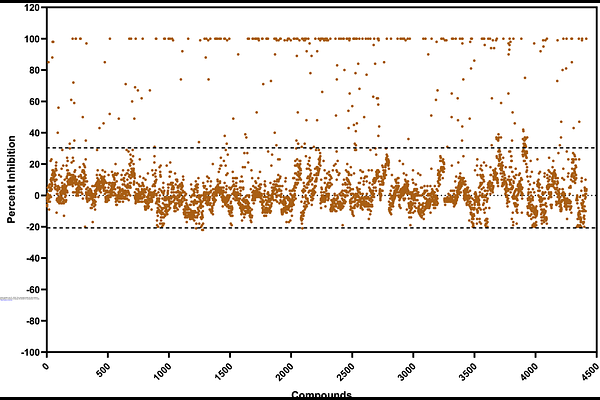
AbstractThe global emergence of multidrug-resistant (MDR) ESKAPE pathogens has significantly reduced the effectiveness of existing antibiotics, highlighting the urgent need for new strategies to restore antimicrobial susceptibility. Here, we report the discovery and mechanism of BMM_1567, a peptide potentiator that enhances aminoglycoside efficacy against MDR pathogens. A genetically defined reporter-based screen identified BMM_1567 as a potent inhibitor of aminoglycoside resistance, potentiating spectinomycin activity against MDR Gram-negative ESKAPE isolates at low micromolar concentrations. Structural modeling and molecular dynamics simulations indicated that BMM_1567 interacts with residues lining the antibiotic-binding groove of aminoglycoside-modifying enzymes (ANT, APH, AAC), with highest affinity for ANT ({Delta}G_bind = -62.25 kcal/mol), suggesting competitive inhibition of substrate binding. Site-directed mutagenesis of key ANT residues identified critical amino acids involved in BMM_1567 binding, confirming their role in mediating spectinomycin potentiation. In murine abscess model using XDR E. coli, BMM_1567 in combination with spectinomycin significantly reduced bacterial burden and pro-inflammatory cytokine levels, comparable to colistin. Collectively, these findings establish BMM_1567 as a promising aminoglycoside potentiator that restores antibiotic activity against MDR pathogens through direct inhibition of resistance enzymes, while exhibiting in vivo efficacy and a remarkably low propensity for resistance development.